
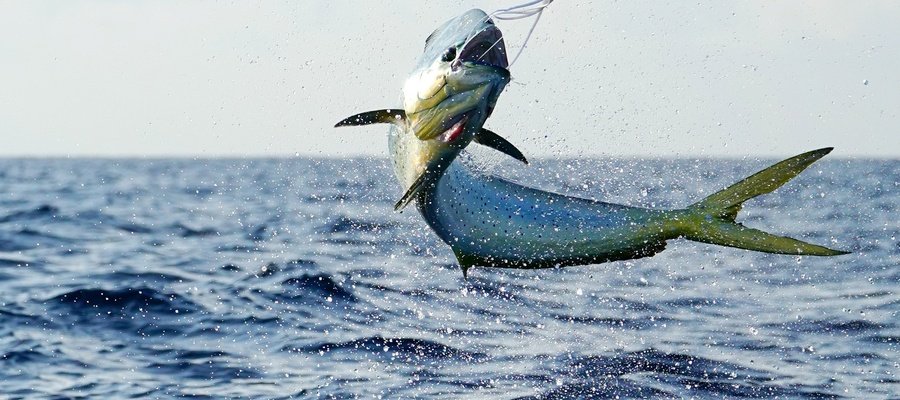
The Thrill of the Deep: A Guide to Offshore Big-Game Fishing
Deep-sea fishing, often called big-game or offshore fishing, is the ultimate challenge for anglers seeking an adrenaline-fueled battle with nature. Unlike coastal or freshwater fishing, this sport takes place in the open ocean—typically at depths exceeding 30 meters. In these vast, indigo waters, anglers pursue some of the largest, fastest, and most formidable predators on the planet. For those willing to leave the safety of the shoreline behind, deep-sea fishing offers an unmatched test of physical endurance, strategy, and patience.
The Mighty Giants of the Open Ocean
The primary draw of deep-sea fishing is the sheer scale and power of the target species. These fish are divided into two main categories: pelagic species, which roam the open water columns, and benthic species, which dwell near the ocean floor.
Among the pelagic giants, billfish reign supreme. The Blue Marlin and Black Marlin are the crown jewels of big-game fishing, capable of growing over 1,000 pounds. Known for their incredible speed and acrobatic leaps out of the water, hooking a marlin triggers a chaotic, high-stakes battle that can last for hours. Swordfish, another legendary billfish, are typically targeted at night or through deep-dropping techniques during the day.
Tuna species, including the massive Bluefin and the agile Yellowfin, are built like torpedoes. They possess incredible stamina and use their muscular bodies to dive deep into the water column, forcing anglers into grueling vertical battles. For those seeking apex predators, Shortfin Mako and Tiger sharks offer a thrilling challenge, with Makos bigfishmccall.com famous for their explosive speed and spectacular aerial flips.
Meanwhile, deep below the surface, bottom dwellers like the Snowy Grouper and Warsaw Grouper lurk around deep-water reefs and wrecks. While they do not put on an aerial show, their sheer deadweight and determination to retreat into rocky crevices require immense strength to reel up.
Tactical Methods of the Deep
Landing a trophy fish in the open ocean requires specialized techniques designed to cover vast areas or reach extreme depths.
- Trolling: This is the most common method for catching pelagic fish. The boat moves forward at a steady speed while dragging multiple artificial lures or rigged baits behind it. Outriggers are used to spread the lines wide, preventing tangles and mimicking a school of fleeing baitfish.
- Deep Dropping: To target bottom dwellers, anglers use heavy lead weights—sometimes weighing several pounds—to sink large baits hundreds of feet down to the seafloor. Electric reels are frequently used in this discipline due to the immense effort required to retrieve lines from such extreme depths.
- Chumming and Chunking: This technique involves tossing ground fish, blood, and oil (chum) or chunks of bait into the water while drifting. This creates a highly visible, fragrant scent trail that draws sharks, tuna, and mahi-mahi directly to the boat.
Preparation and Safety
Offshore fishing demands specialized heavy-duty tackle. Standard gear includes conventional lever-drag reels spooled with high-test braided or monofilament lines, paired with short, stiff rods capable of handling immense pressure. Wire or heavy fluorocarbon leaders are mandatory to prevent sharp teeth or rough bills from severing the line.
Because deep-sea fishing takes place miles away from land, safety and expertise are paramount. For beginners and experienced anglers alike, booking a licensed charter boat is the best approach. Professional captains understand local migration patterns, monitor erratic weather systems, and provide the heavy gear necessary for a successful trip. Whether you are looking for a prized mount or a cooler full of fresh tuna steaks, the deep ocean promises an unforgettable adventure for anyone brave enough to drop a line.