
Food companies require reliable food storage material that keeps food clean and without external contact. Packaging directly influences the perception of quality and trustworthiness of products by customers. Numerous restaurants, cafes, and food sellers center on materials that suit their everyday usage needs. Wholesale food paper can support a reliable supply chain to ensure businesses that handle large volumes of orders can continue with steady demand without delays. The packaging materials should be able to withstand heat, moisture, and flow without decomposition. Proven solutions enable employees to be fast and provide consistent service. Powerful materials aid in efficient handling at the counters, kitchen, and areas of delivery where uniformity is important.
Material Quality
The packaging strength is defined as the degree of protection of food during storage and service. Food contact paper should be able to retain its structure when under pressure and temperature variations. Good packaging helps ensure safe handling and secure containment until they are received by the customer. To ensure the needs of the business in performance and branding are met, businesses tend to use customized solutions like custom-printed food paper. The thickness of the paper and the coating on the surface contribute significantly to water resistance. Food processes made of durable materials minimize waste of products due to tearing or leaking. A good paper does not deteriorate even when it is used repeatedly in hectic working conditions.
Packaging Strength
Durability is a factor when the packaging undergoes various handling processes before getting to the customers. Products tend to travel between kitchen shelves and delivery areas and the hands of the customers in minimal time. Sticky paper helps to minimize spills or unintended exposure. Most facilities combine accommodating accessories such as food paper sheets to enhance the stability of carrying and minimize stress on the individual packages. The strength of the paper has an effect on the ability of the products to hold their presentation. The weak materials can collapse and be subjected to weight or even moisture, and this influences customer satisfaction. The use of reliable paper solutions assists in keeping the accuracy of the ordered item and delivery of the prepared meal in a safe manner.
Surface Protection
Food handling environments are always faced with challenges of grease and exposure to moisture. Protective surfaces prevent the oil from percolating through the packaging and into external surfaces. A protective layer on paper will keep down the number of stains and undesirable mess. Some of the materials that are usually used by businesses include food paper wrap to wrap things and ensure that the handling conditions are clean. Surface protection facilitates the hygienic norms and maintains the counters and serving areas orderly. Long-lasting finishes will assist in minimizing the amount of waste due to premature damage. Materials that manage heat and moisture do not vary in their performance throughout the day-to-day operation, where speed and accuracy are of priority.
Portion Handling
Portion management increases efficiency during preparation and service levels. Employees rely on resources that enable them to move swiftly without decreasing service. Dividing paper between food portions helps to keep cleanliness and minimizes direct contact. Durable alternatives like food paper sheets help in organizing food in preparation and service. Regular sheet size facilitates a quicker work process since employees do not have to keep changing the materials. Properly sized paper minimizes waste and promotes a well-organized packing room. A predictable handling enhances productivity in kitchens that receive frequent orders from customers in a day.
Brand Identity
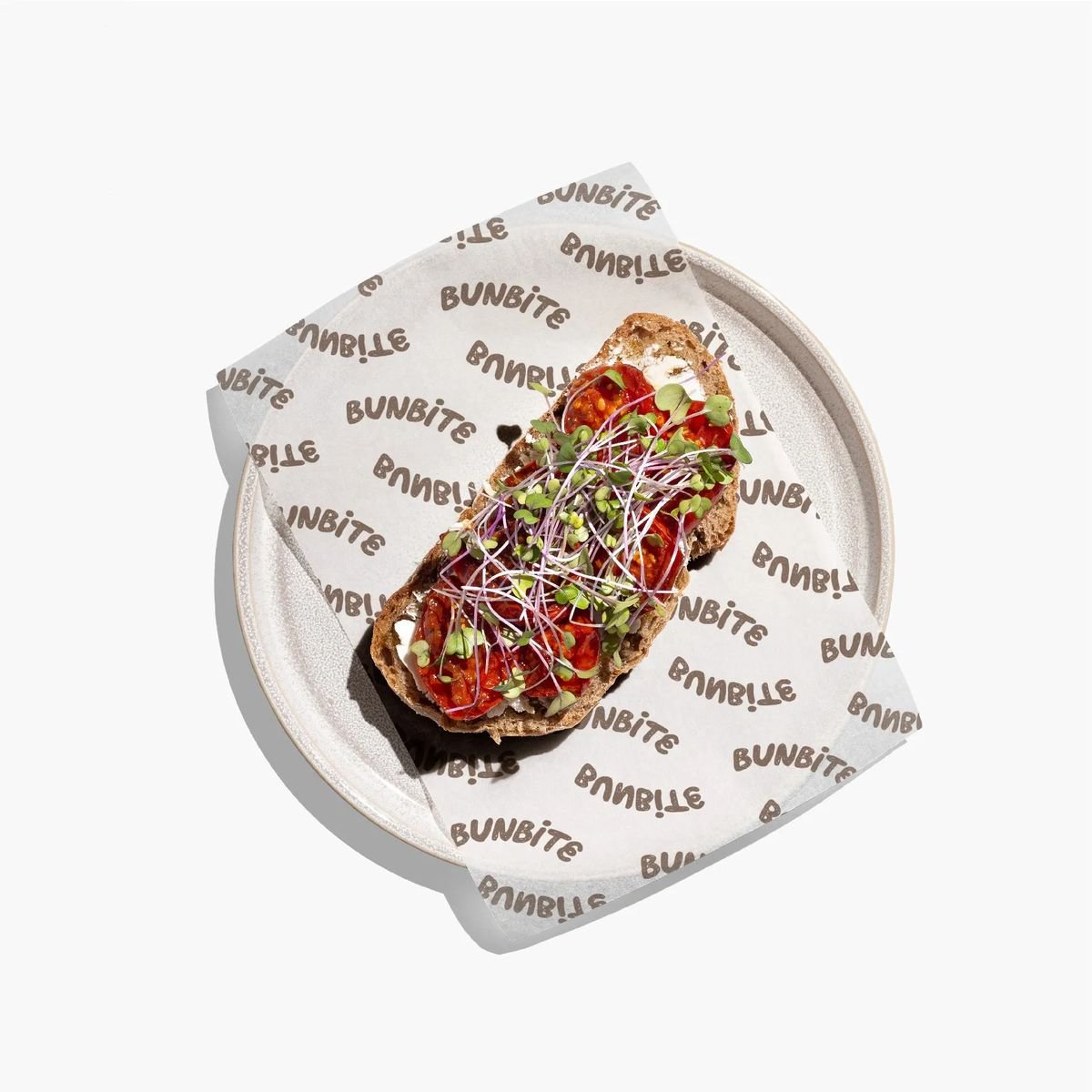
The presentation in terms of visuals makes a difference in customer memory and trust. Packaging is one of the initial physical contacts of any brand and consumer. A paper that has elements that can be recognized gives uniform brand recognition in different locations. Printed food paper is used by many companies to print names, patterns, or service messages directly onto the surfaces of packaging. Printed designs enable businesses to be distinct yet to appear the same throughout the products. The customers relate the steadiness of presentation to dependability and expertise. Visual identity is very influential in facilitating returns as customers recall packaging that demonstrates a well-organized service and reliable quality.
Cost Efficiency
Financial planning relies on the price-performance balanced materials. The goal of businesses is to control the costs of packaging and still be reliable. Paper solutions that will favor long-term usage are useful in minimizing the frequency of replacement. Most of the operations are based on buying in bulk, like food and paper wholesale, to ensure a constant supply and manage spending trends. When materials perform at the expected standards, managing costs becomes easy. Less waste helps in savings in the operational budgets. Effective supply systems enable businesses to avoid delays due to a shortage. Tried and true buying policies enable food businesses to concentrate on service and not sourcing issues.
Usage Flexibility
Various food products must be packaged in packages that are flexible to different shapes and temperatures. Flexible paper is useful in handling hot and cold food. Materials that can be used in various menu items without the need to have a different packaging system are beneficial to businesses. Flexible materials enable employees to transition between tasks without any disturbances. Flexible paper is able to retain its structure when it is folded or wrapped around irregular shapes. Consistent operation under various circumstances helps in effective service. Multi-purpose packaging minimizes the complexity in the storage space. Streamlined selection of materials enhances order and helps prepare more quickly in the rush seasons.
Storage Needs
Appropriate storage helps to preserve the packaging materials before their utilization in the day-to-day activities. Custom paper wholesale to ensure the quality of performance, the paper must be dry and clean. Well-structured storage facilities minimize the possibility of contamination or damage. Companies tend to designate different areas to store packaging materials in order to avoid contact with moisture or dust. The paper formats are stackable to make it orderly and easy to access when there is a surge of business. The controlled storage conditions guarantee the strength of the material and guarantee trustworthy work in service. Properly controlled storage facilitates a regular workflow and avoids the unexpected breaks that might occur due to failure to control storage.
Conclusion
Quality packaging materials contribute to the daily activities within contemporary food settings. A good paper is organized, contains, and is clean, so that during service, it can hold its contents and be easily handled. Regular supply assists businesses to remain in a continuous flow of work with no delays. Presentation and functionality are assisted with well-designed materials, and this helps to gain customer confidence. Stress-resistant paper will aid in minimizing waste and preserving the quality of products. Companies that choose reliable materials establish easier preparation strategies and well-structured work areas. Consistent packaging enhances uniformity in operations and enhances consumer satisfaction by handling them securely. The correct choice of materials is also a part of long-term efficiency and helps to maintain a stable development in the fluctuating needs of services.